42 why do we need to read food nutrition labels
3 Reasons Why Nutrition Labels are Important - MIND IS THE MASTER Nutrition labels help keep us healthy. They point out the vitamins and minerals we should be striving to eat every day. They keep us from overeating. They help us in reaching our optimum health and maintaining that health level. When we go to the doctor for a checkup, they invariably check our cholesterol and blood sugar levels. Why it is important to read and understand food labels It is very important to know how to read and understand the context in order to understand what you are eating. The food label will provide information on what you are putting into your body by reading the ingredients and how much you are eating by reading the nutrition facts. For most people with diabetes it is ideal to maintain a healthy weight.
5 Reasons to read Nutritional Labels - Equinox Blog To start with the basics, one needs to know what one consumes. Hence, learning to read the nutritional labels is an important factor. While you adhere to adopting a healthy lifestyle, knowing your product well is necessary. Before consuming the per-size servings, the number of servings packed and other necessary details are to be checked.
Why do we need to read food nutrition labels
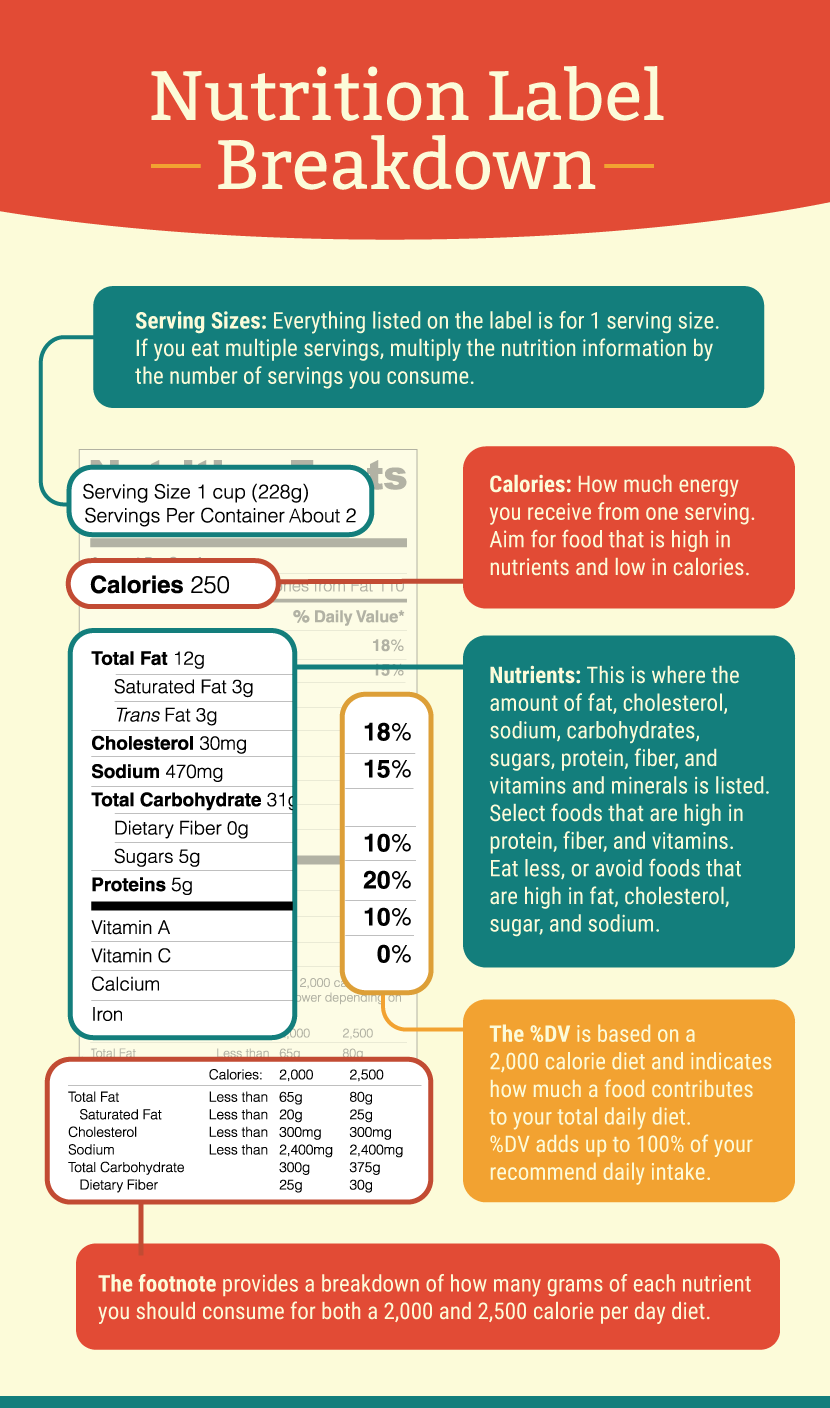
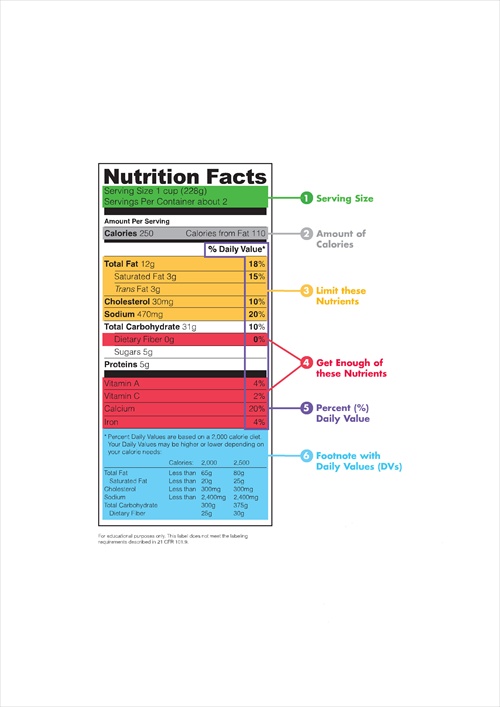
Why You Need to Read Nutrition Facts on Food Labels The key to enjoying food and at the same time remaining healthy is balance nutrition and eating certain types of food in moderation. Reading nutrient facts on the label would help in figuring out what to eat in moderation. Consumers should look for the sodium, carbohydrates and sugar contents. Food Labels: Fat & Cholesterol | Home & Garden Information Center As a result, total fat, saturated fat, trans fat and cholesterol are required under the Nutrition Facts panel of food labels. Information on the content of polyunsaturated and monounsaturated fat is optional. The Nutrition Facts label shows you how much fat is in a product, even if the fat is hidden as an ingredient. The Importance of Reading the Food Label and Nutritional Facts The Importance of Reading Food Labels This information does two things: The Basics of Reading a Nutrition Label 1. Serving Size 2. Calories per Serving 3. Percent Daily Values 4. Nutrient Contents 5. Vitamins & Minerals 6. Ingredient List Putting it All Together Reading food labels makes a big difference when it comes to your family's health.
Why do we need to read food nutrition labels. Why Is Reading Food Labels Important? | livestrong Understanding what's in the foods you eat helps you make healthier choices. Checking food labels also makes it easy for you to compare the nutrient content of different options. A healthy diet is crucial throughout your lifetime and paying attention to nutrition labels is a good step toward improving your overall diet. Nutrition information panels - Food Standards Sodium is the component of salt that affects health and high levels have been linked with high blood pressure and stroke, which is why it is included in the nutrition information panel. Read more about sodium and salt. More information. Interactive labelling poster - how to read food labels. You can create your own NIP using our Nutrition Information Calculator (NPC). For advice about the amount and kinds of foods that we need to eat for health and wellbeing visit eatforhealth.gov.au. How To Read Nutrition Labels - Mayo Clinic Diet The % Daily Value (DV) tells you how much a nutrient in a serving of food contributes to a daily diet. 2,000 calories a day is used for general nutrition advice. Low is 5% or less. Aim for low in saturated fat, trans fat, cholesterol, sodium, and added sugars. High is 20% or more. How To Read Food and Beverage Labels - National Institute on Aging Although frozen and canned fruits and vegetables have food labels, fresh varieties often do not. You can find nutrition information for fresh vegetables and fruits on the USDA website. Or you can call the U.S. Department of Agriculture's Food and Nutrition Information Center at 301-504-5414. Understanding percent Daily Value (% DV)
Food Labeling & Nutrition | FDA Food labeling is required for most prepared foods, such as breads, cereals, canned and frozen foods, snacks, desserts, drinks, etc. Nutrition labeling for raw produce (fruits and... Reading food labels: Tips if you have diabetes - Mayo Clinic When you're looking at food labels, start with the list of ingredients. Keep an eye out for heart-healthy ingredients, especially those that are less processed, such as whole-wheat flour, soy and oats. Monounsaturated fats — such as olive, canola or peanut oils; nuts; and seeds — promote heart health, too. 6 Reasons to Read Food Nutrition Labels - Nuts 'N More 6 Reasons to Read Food Nutrition Labels 1. It helps you understand your fats You know that warm feeling, right before you enter R.E.M., when you say to... 2. Know when you're being sugarcoated Literally. The average American consumes +/- 94 grams of sugar each day, more than... 3. Saying NO to ... Six reasons why food labelling is important Here are six reasons why food labelling is important: 1. Keep healthy - Labels help you to understand the composition of your food: its vitamins, minerals, calories, fats,... 2. Keep you safe - Every year, more than 600 million people get sick and 420 000 die as a result of eating food... 3. Stops ...
Food Labels | CDC - Centers for Disease Control and Prevention If you eat the whole thing, you are eating 8 times the amount of calories, carbs, fat, etc., shown on the label. Total Carbohydrate shows you types of carbs in the food, including sugar and fiber. Choose foods with more fiber, vitamins, and minerals. Choose foods with lower calories, saturated fat, sodium, and added sugars. Avoid trans fat. Who Reads the Nutrition Facts Food Labels? - School of Public Health Who Reads the Nutrition Facts Food Labels? Charlie Plain | February 6, 2018. Almost every packaged food product has a Nutrition Facts label listed on the back, giving consumers a glimpse of what they're actually eating. It can help Americans make healthy, informed food choices, but a recent study from the School of Public Health reveals many people check Nutrition Facts infrequently, if at all. Food labels - NHS Nutrition labels can help you choose between products and keep a check on the amount of foods you're eating that are high in fat, salt and added sugars. Most pre-packed foods have a nutrition label on the back or side of the packaging. Why You Should Always Read Food Labels Before Buying Them - mfine Food labels provide information that's vital for your diet The two key things that food labels offer in terms of information include ingredients as well as the nutrition content. The latter gives well-defined segregation of what amounts of calories, total fats, saturated fats, carbohydrates, proteins, and vitamins the food contains.
How to Read Nutrition Labels | Fix.com
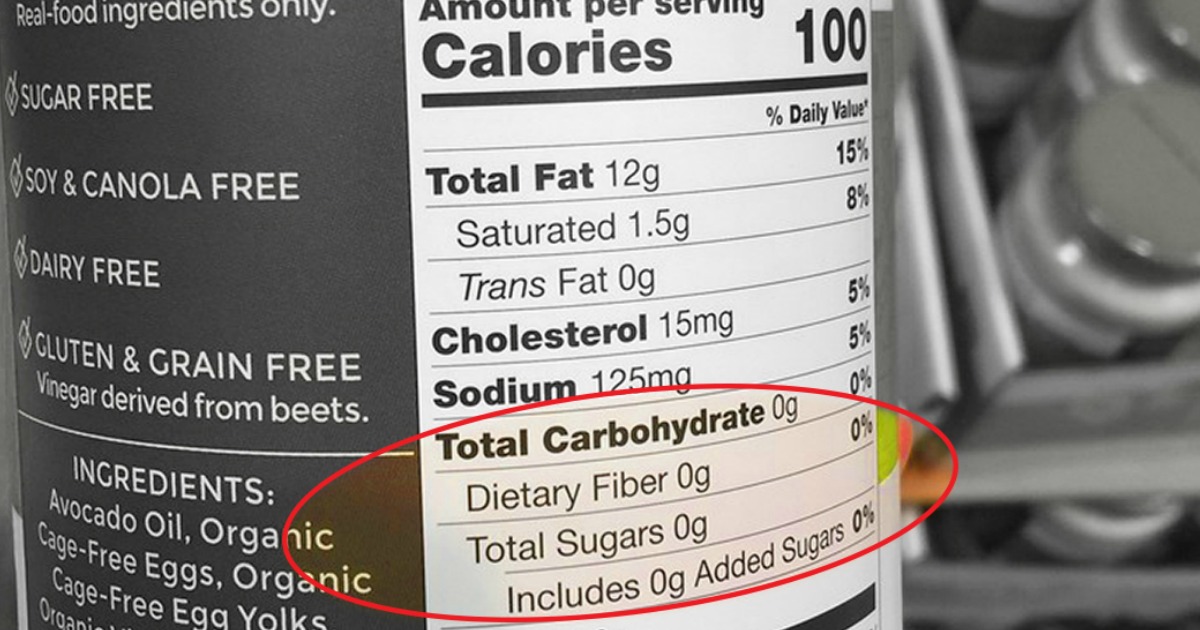
Learning To Read Labels :: Diabetes Education Online Nutrition Facts labels list a breakdown of the total carbohydrate from dietary fiber, sugars and sugar alcohols. This can be confusing. On Nutrition Facts food labels, the grams of dietary fiber are already included in the total carbohydrate count, but because fiber is a type of carbohydrate that your body can't digest, the fiber does not increase your blood sugar levels.

FDA survey: Half of U.S. adults read nutritional labels ...
How to Understand and Use the Nutrition Facts Label | FDA - U.S. Food ... You can use the label to support your personal dietary needs - look for foods that contain more of the nutrients you want to get more of and less of the nutrients you may want to limit....

How To Read Food and Beverage Labels | National Institute on ...
The Importance of Reading the Food Label and Nutritional Facts The Importance of Reading Food Labels This information does two things: The Basics of Reading a Nutrition Label 1. Serving Size 2. Calories per Serving 3. Percent Daily Values 4. Nutrient Contents 5. Vitamins & Minerals 6. Ingredient List Putting it All Together Reading food labels makes a big difference when it comes to your family's health.
Reading Food Labels – Understanding How Food Labels Work
Food Labels: Fat & Cholesterol | Home & Garden Information Center As a result, total fat, saturated fat, trans fat and cholesterol are required under the Nutrition Facts panel of food labels. Information on the content of polyunsaturated and monounsaturated fat is optional. The Nutrition Facts label shows you how much fat is in a product, even if the fat is hidden as an ingredient.
Get the facts on nutrition by reading your food labels | The ...
Why You Need to Read Nutrition Facts on Food Labels The key to enjoying food and at the same time remaining healthy is balance nutrition and eating certain types of food in moderation. Reading nutrient facts on the label would help in figuring out what to eat in moderation. Consumers should look for the sodium, carbohydrates and sugar contents.
How to Read a Nutrition Label on the Keto Diet | Official ...
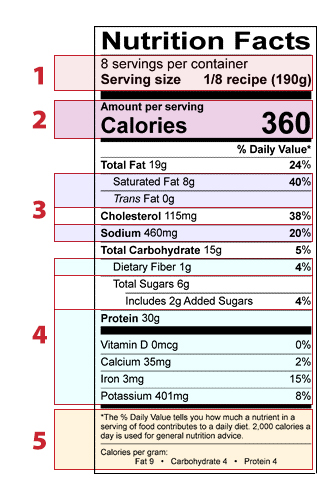
Reading Food Labels - Purdue Extension Nutrition Education ...
The 5/20 Rule Is the Nutrition Principle You Need to Know
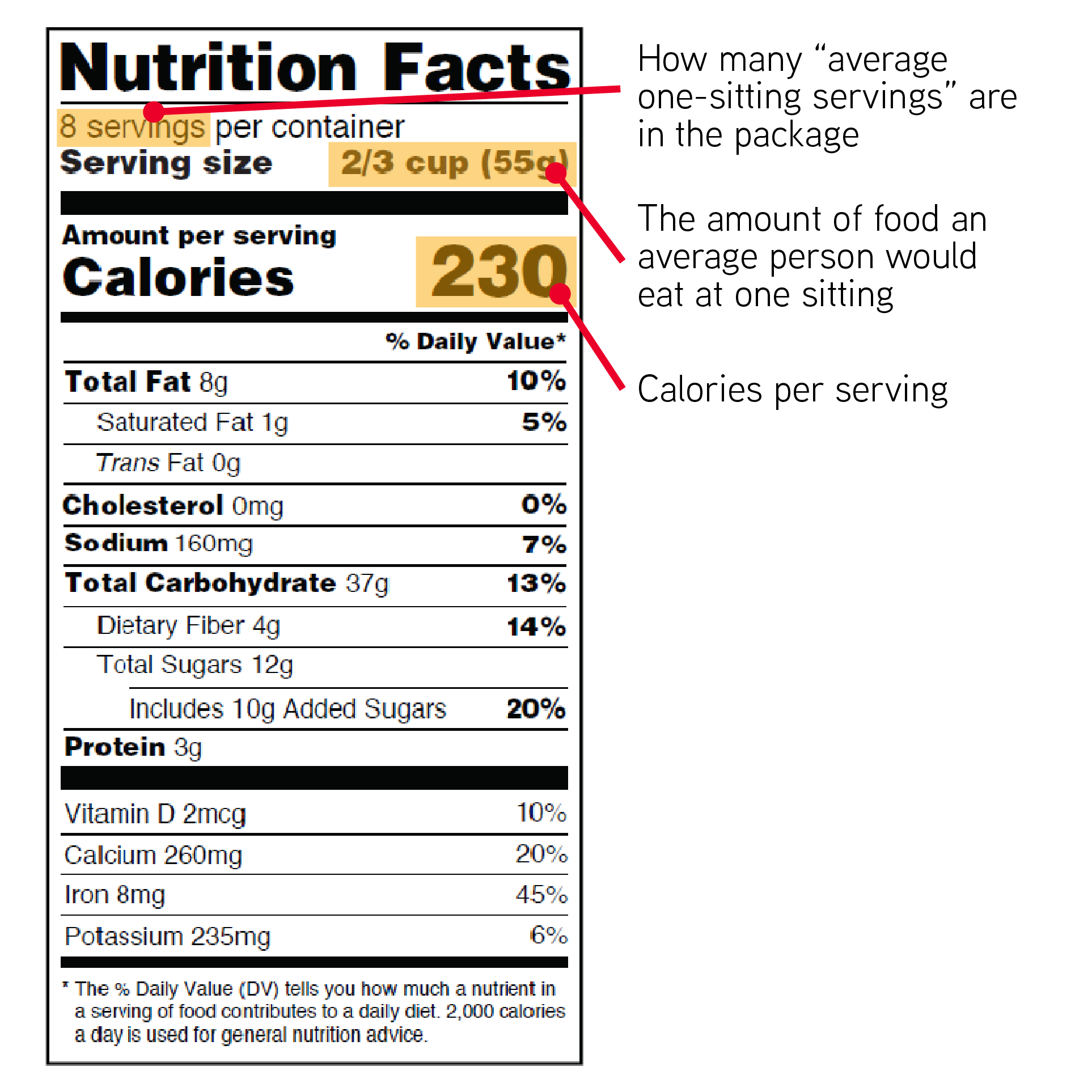
How to Read Nutrition Labels

Learn easy ways to read food labels & select healthy foods
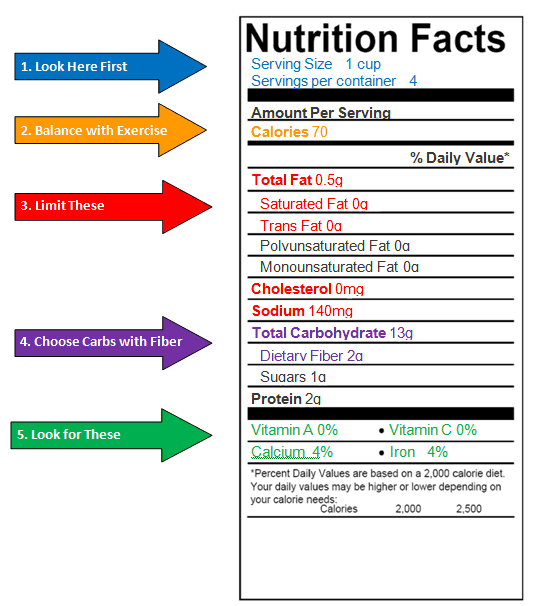
Understanding Nutrition Fact Labels
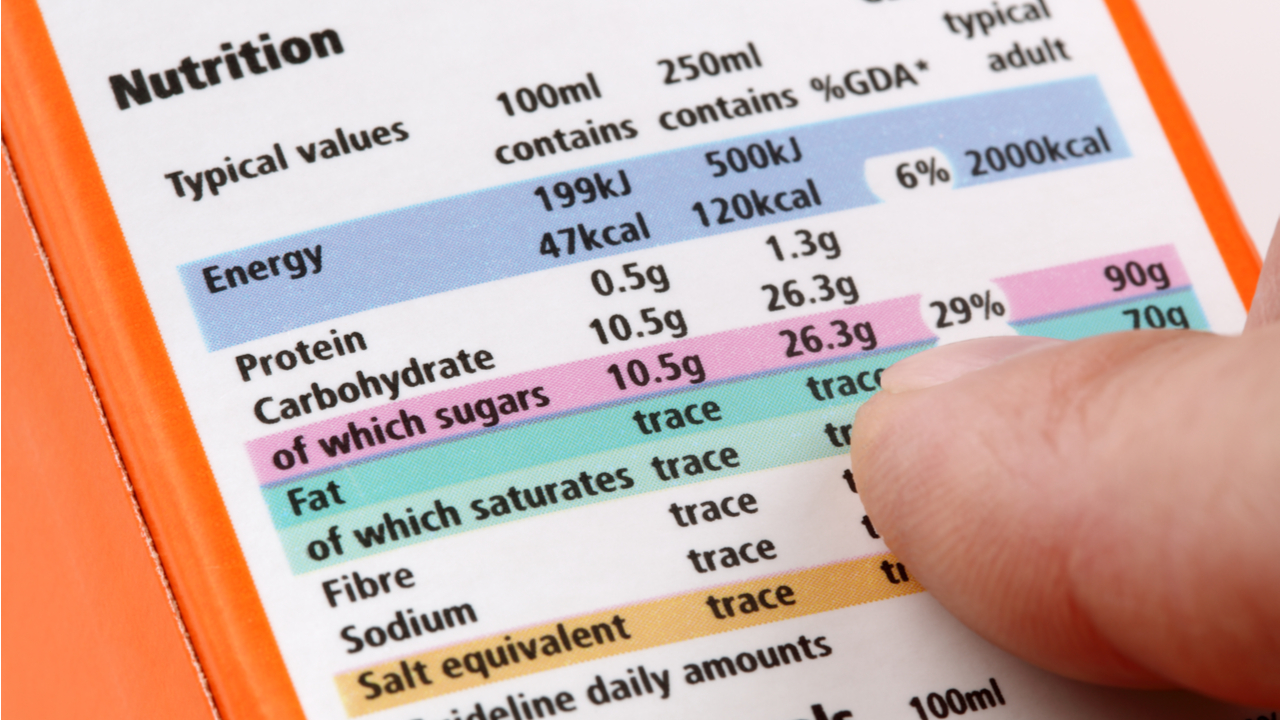
How to read nutrition labels | safefood
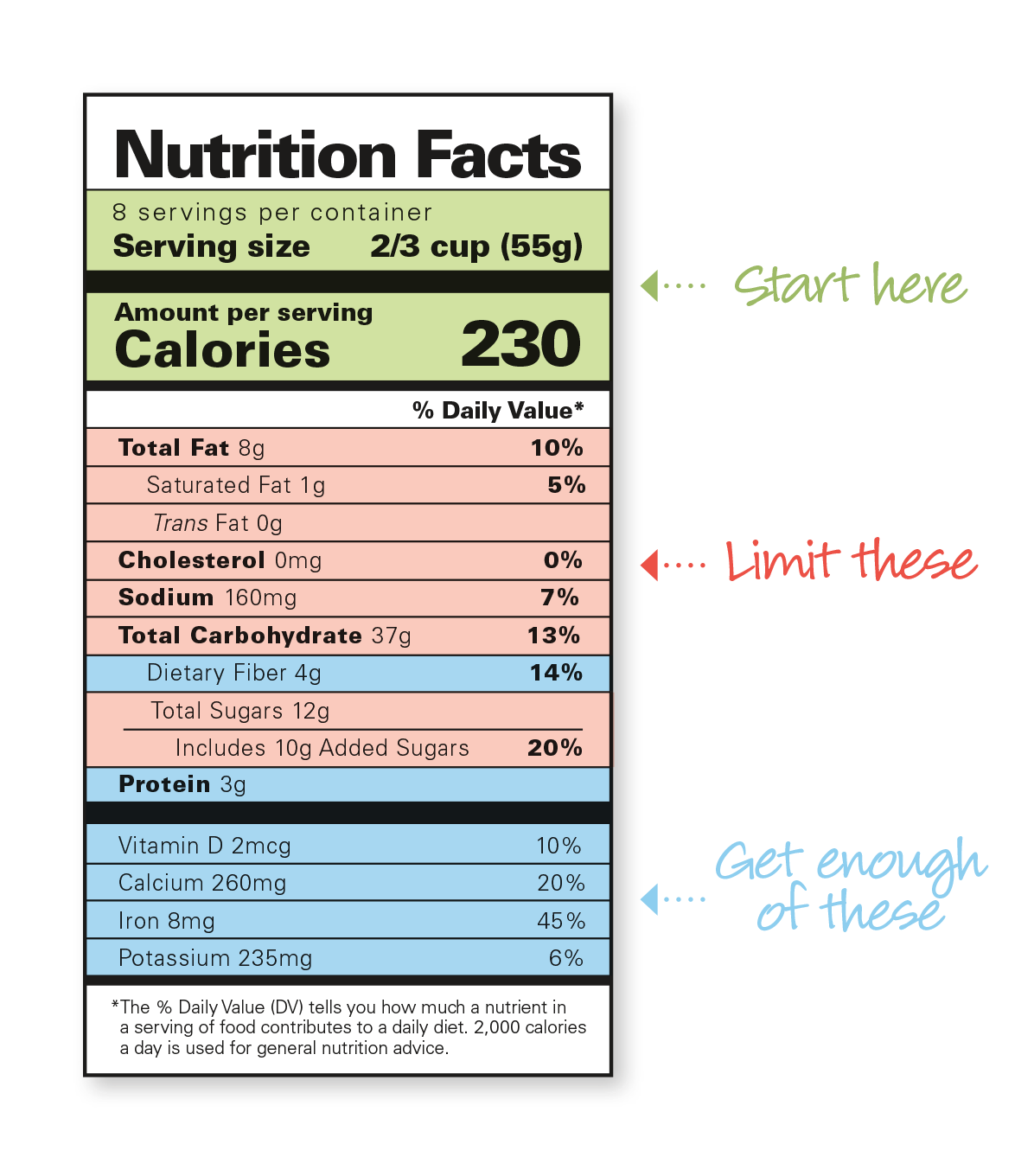
How to read Nutrition Facts labels and shop smarter ...
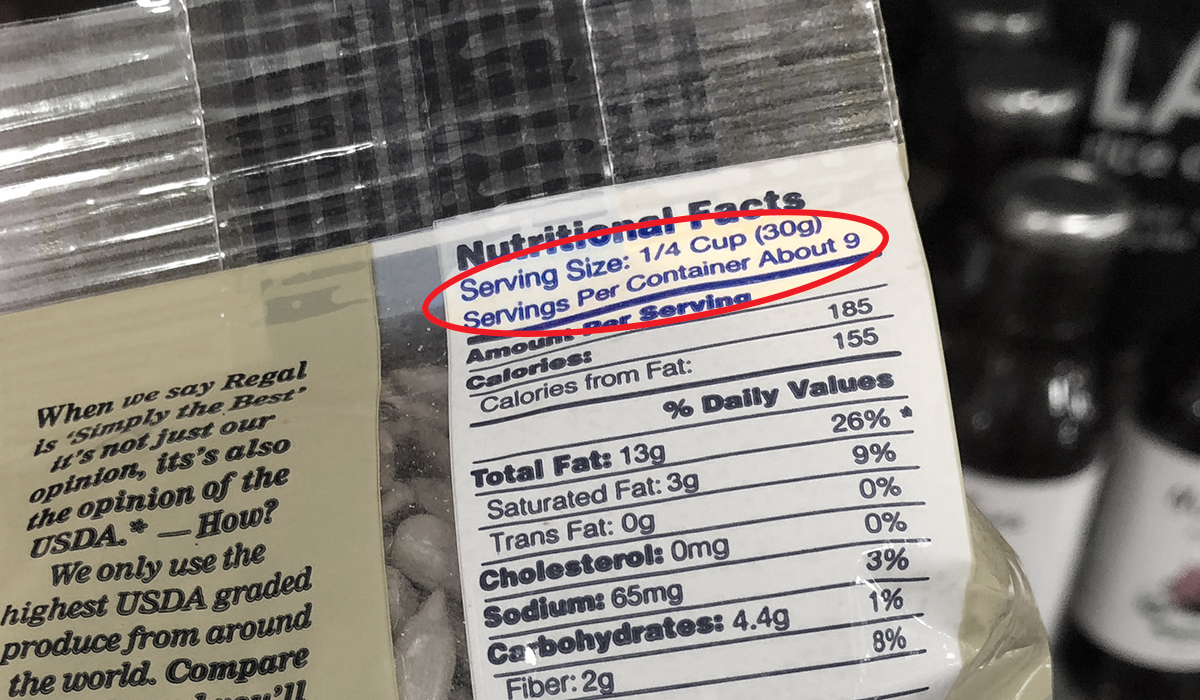
How to Read a Nutrition Label on the Keto Diet | Official ...
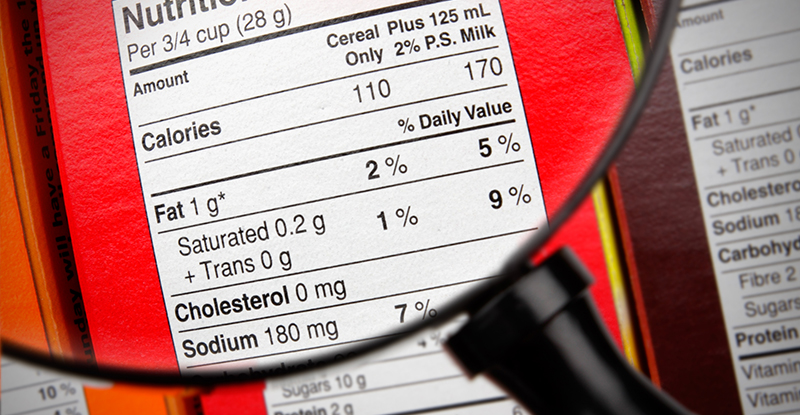
How to read food nutrition labels | UPMC MyHealth Matters

The Basics of the Nutrition Facts Label

How Can I Tell If A Food Is Healthy? - Heart Foundation

Why Is Reading Food Labels Important? | livestrong
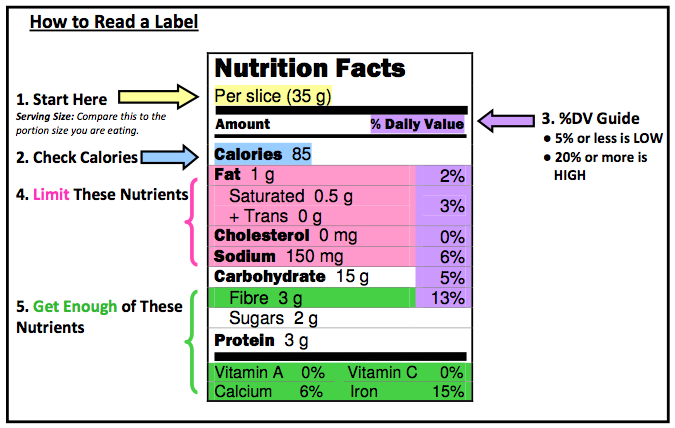
Label Reading 101 - NutritionRx
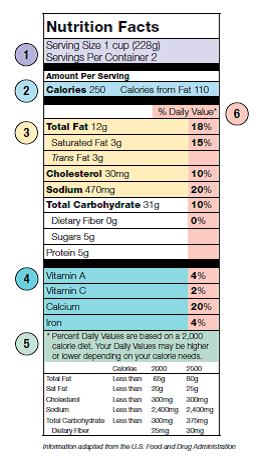
Learn How to Read a Food Label
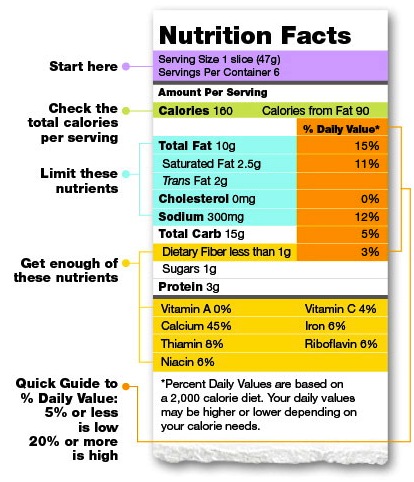
Facts & Benefits of Reading a Nutrition Label | Virginia ...
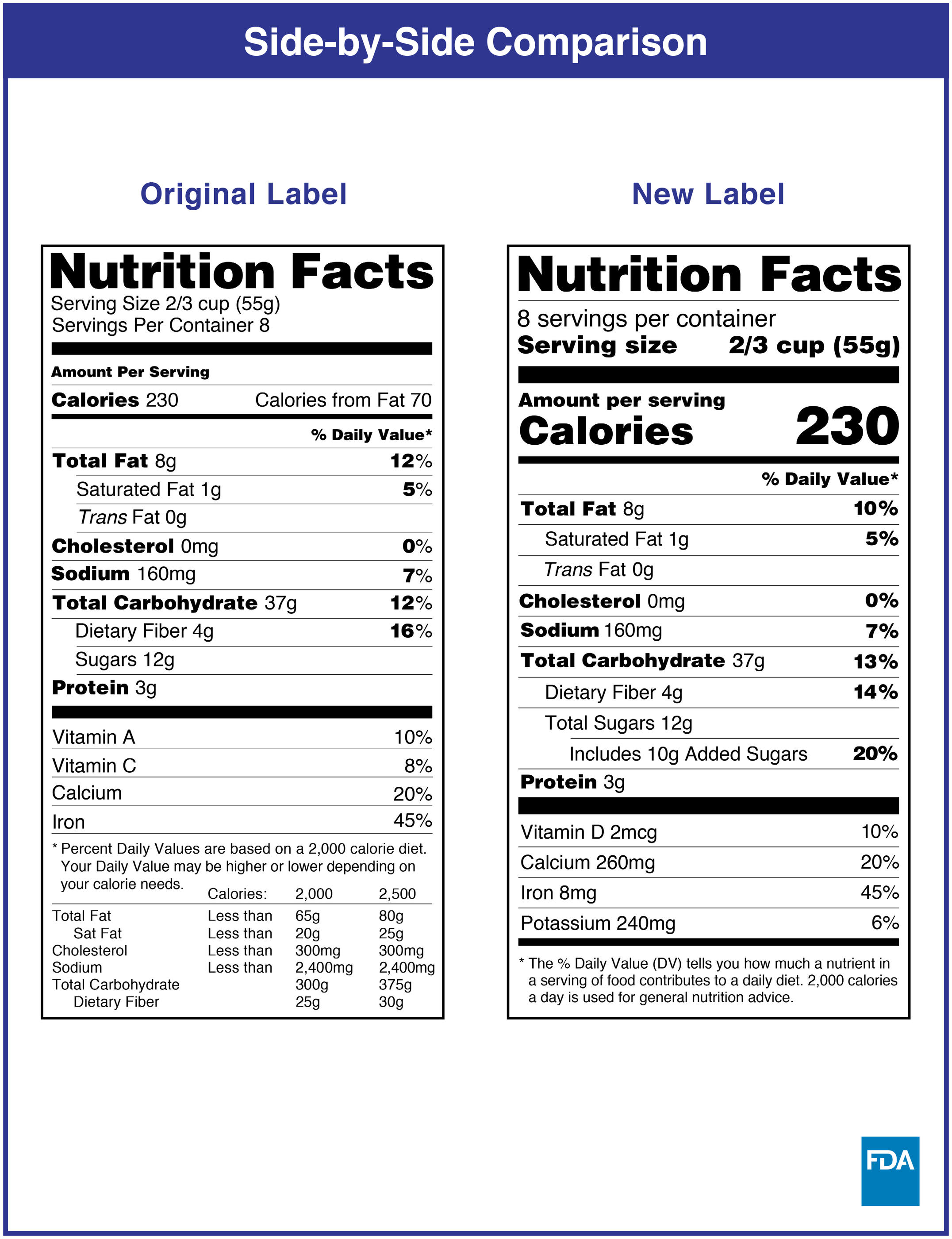
How Do You Know Your Food's Nutrition Facts Label Is Accurate ...

Reading nutrition fact tables and food labels

Get to Know Nutrition Facts Labels Handouts

How To Read Food and Beverage Labels | National Institute on ...
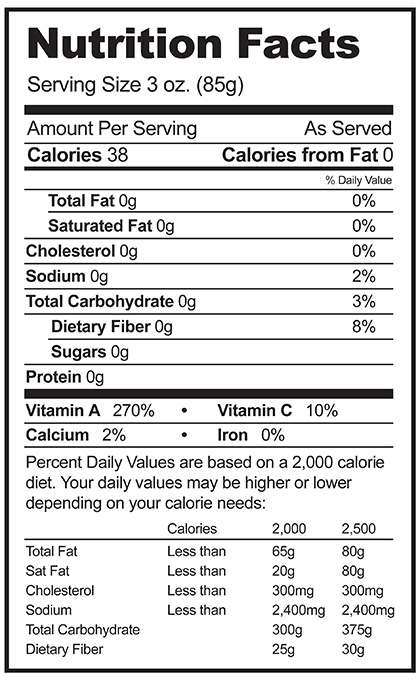
A Dietitian's Tips for Reading Food Labels | NorthShore

New Nutrition Facts Label in 2020: Changes and What to Know

How to Read Food Labels Without Being Tricked
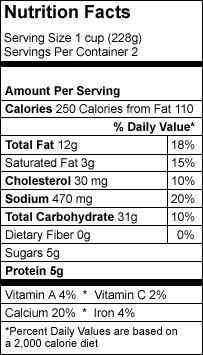
How to Read Food Labels - SHP - Tone Your Bones | UAB
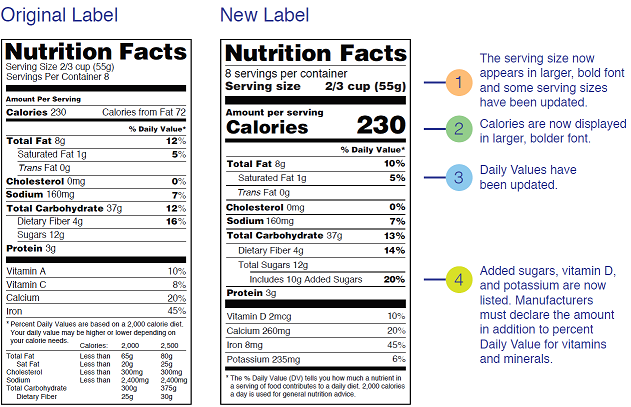
How to Read the 2020 Nutrition Labels | Healthy Outlook
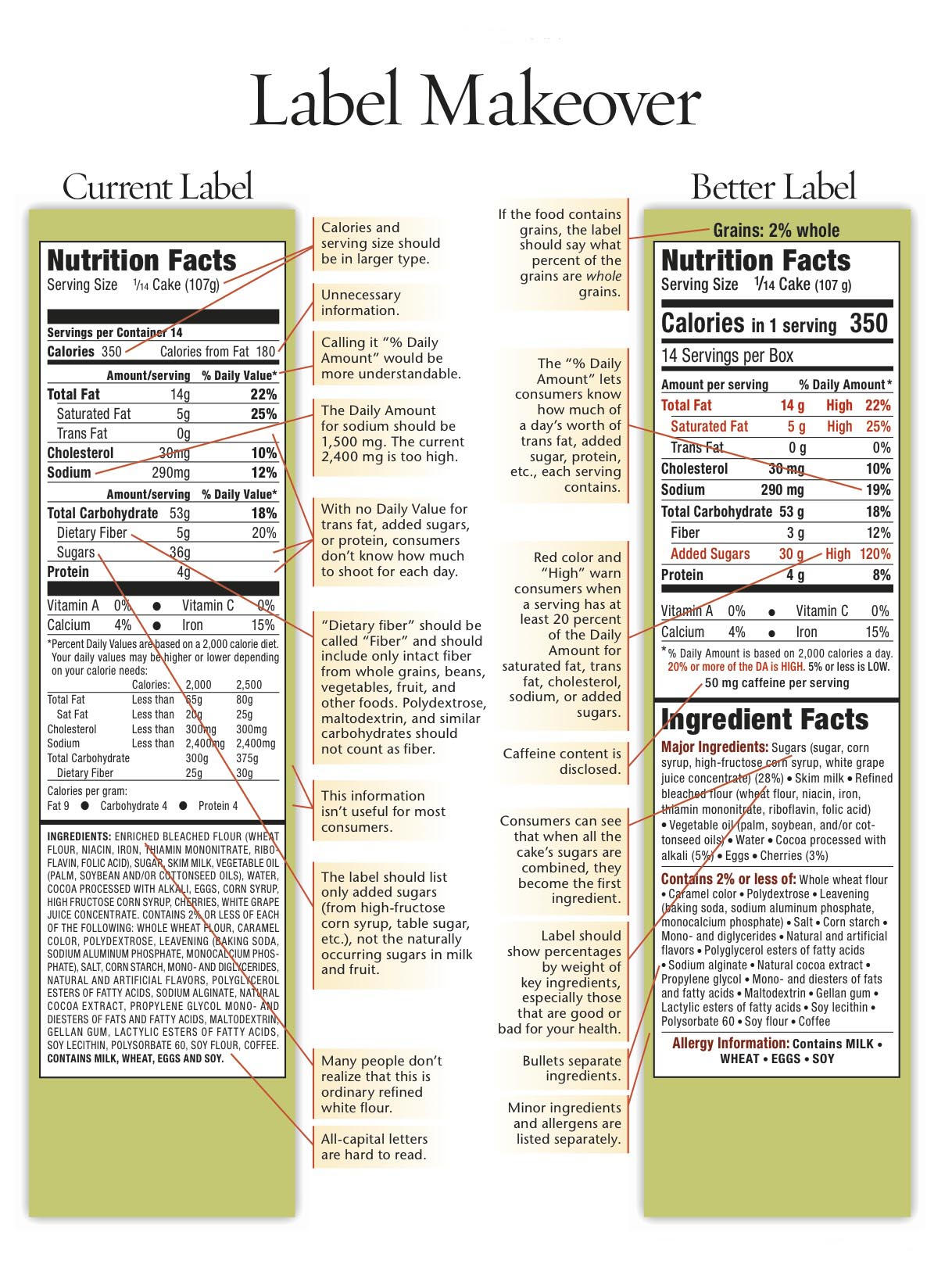
Do You Think Nutrition Labels on Food Are Confusing? - Farm ...

How to Read the Nutrition Facts Label | Ohioline
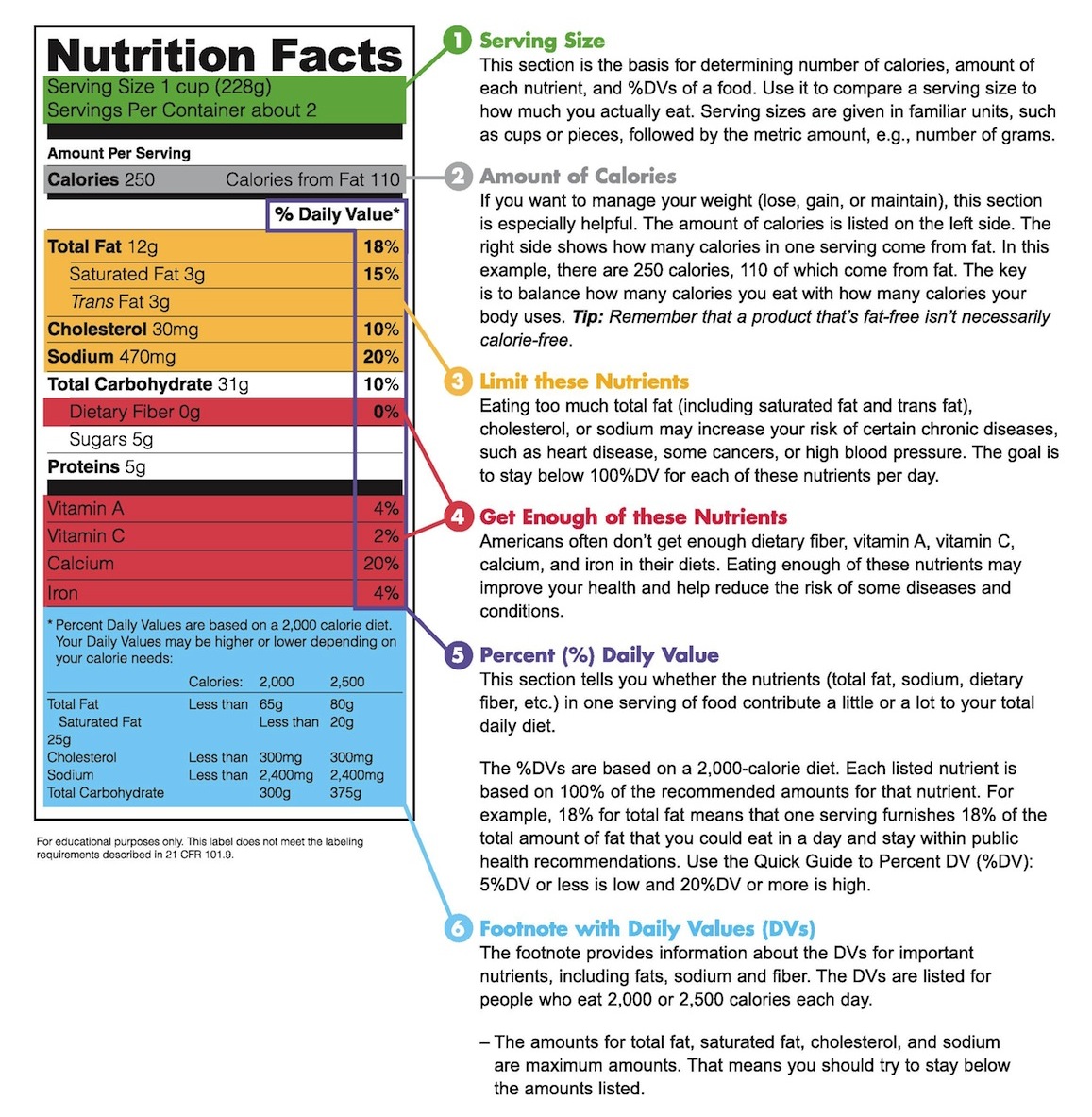
The Iron You: Why You Need To Read Nutrition Labels More ...
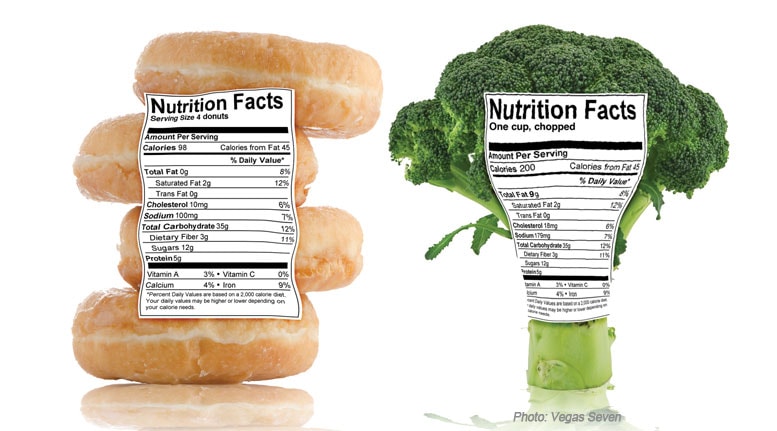
How to Read a Food Nutrition Label | Meal Prep on Fleek™

Reading Labels and the 5/20 Rule | Villanova University
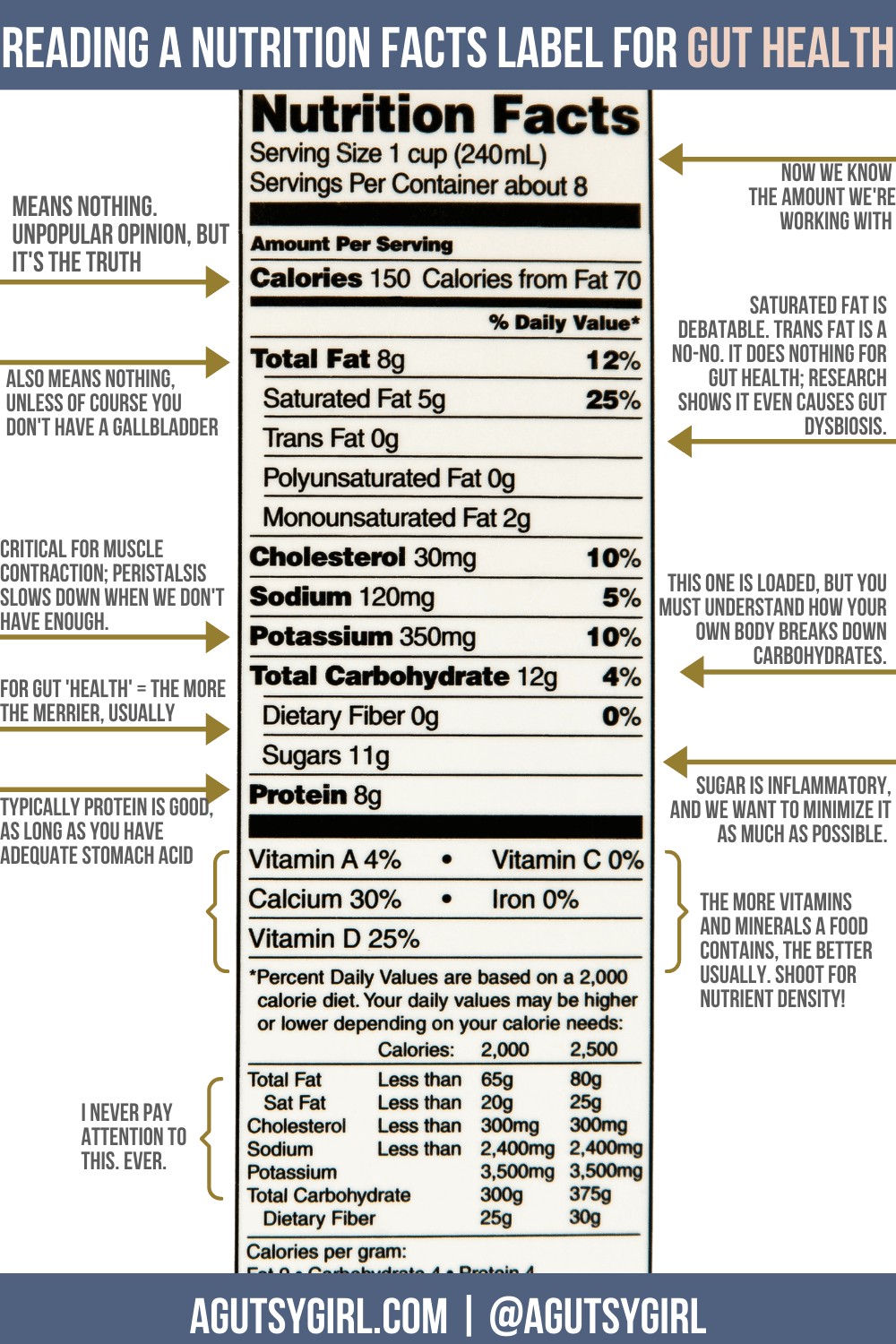
How to Read Food Labels for Gut Health - A Gutsy Girl®
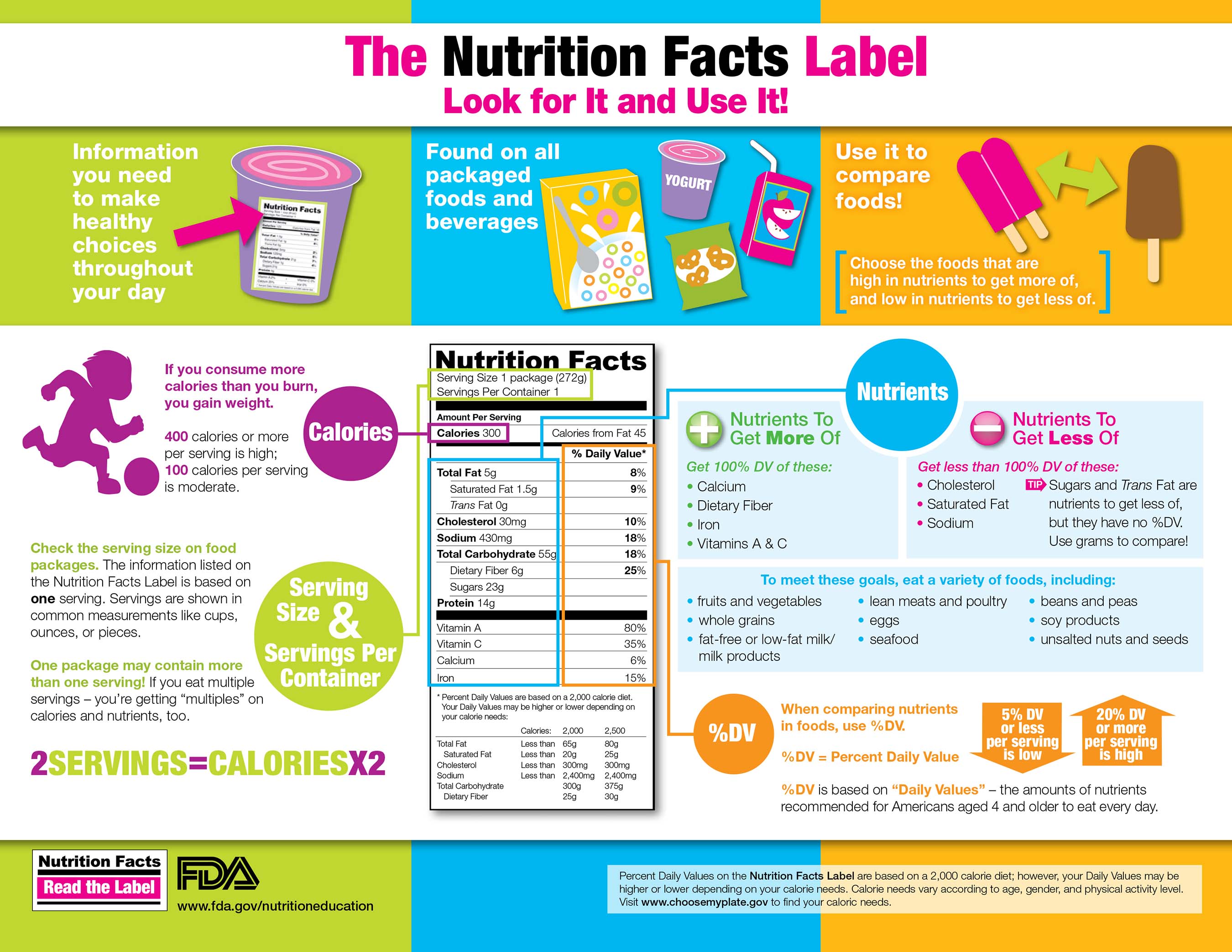
FDA Helps Kids Learn to Read the Label

How to Read Nutrition Labels: Food Facts - University Health News
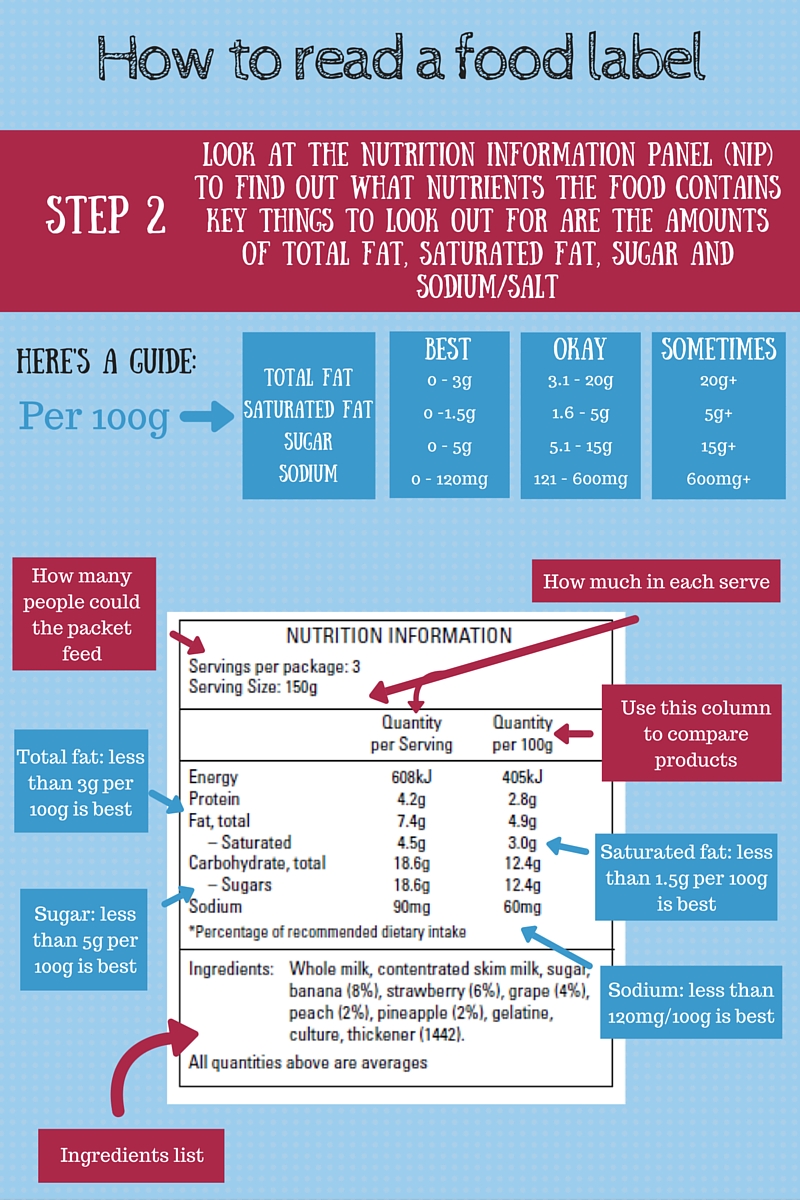
How to read a food label - Healthy Kids
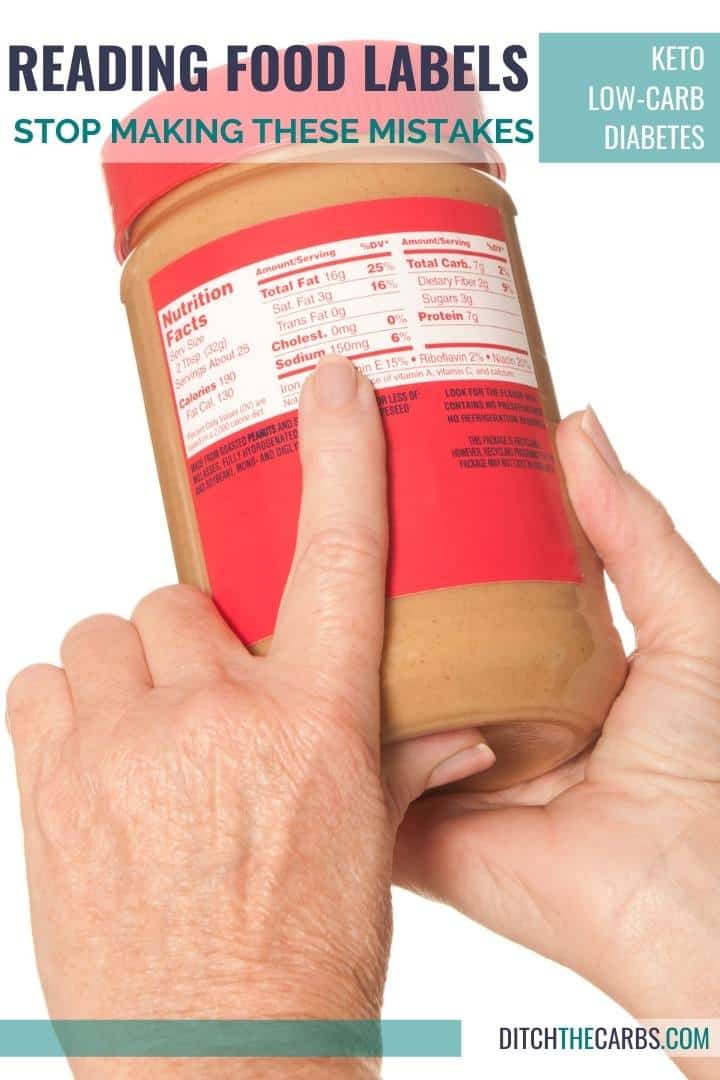
How To Read Nutrition Labels (Like a Pro) – Ditch The Carbs

How to read and understand a nutrition label - CNET
Read the Label Youth Outreach Materials | FDA
Post a Comment for "42 why do we need to read food nutrition labels"